

Every year, millions of households prepare for one of the most widely celebrated Hindu festivals, and understanding Navratri significance and puja vidhi helps families observe the nine days with genuine meaning rather than just following routine. Navratri, meaning “nine nights,” honors the divine feminine energy through nine forms of Goddess Durga, with rituals, fasting, and community celebration varying by region. This guide explains the general season in which Navratri falls, why it matters spiritually, and how the puja vidhi typically unfolds, without pinning down specific calendar dates that must instead be confirmed closer to the festival.
It is worth being upfront about one thing from the start: exact Navratri dates shift every year because they follow the lunar calendar, not the fixed Gregorian calendar. Rather than stating specific dates in an article meant to stay useful year after year, we recommend checking a verified Panchang or contacting Bengali Jyotish Center closer to the festival for confirmed dates.
When Navratri Typically Falls
Navratri is celebrated four times a year in the Hindu calendar, but the most widely observed occasion is Sharad Navratri, which typically falls in the autumn months of September or October, depending on the lunar cycle for that year. This period generally coincides with the transition from the monsoon season into cooler weather across much of North India, including Punjab.
Because the Hindu calendar is lunisolar, the corresponding Gregorian dates move each year rather than landing on the same date. As a result, a date printed in an article today may not match the actual festival dates a year or two from now. This is precisely why we encourage readers to verify the current year’s dates through a trusted Panchang rather than relying on old blog posts or generic calendars.
The Nine Nights and the Nine Forms of Durga
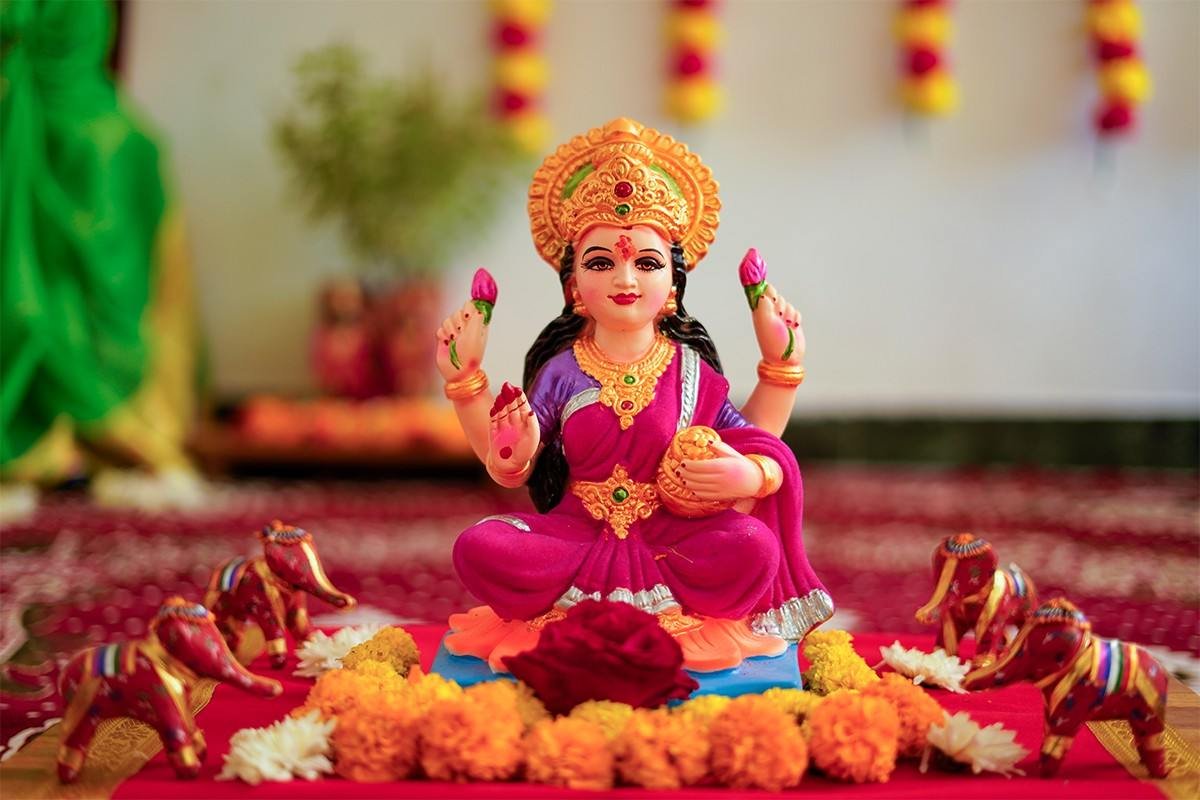
The heart of Navratri significance lies in the worship of Navadurga, the nine forms of Goddess Durga, each honored on a specific day of the festival. These forms are traditionally understood to represent different aspects of feminine strength, wisdom, protection, and grace, moving symbolically from the goddess’s fierce warrior form toward her most serene and blessing-giving forms by the final days.
While the specific order and regional emphasis can vary slightly across communities, the nine-day structure itself is consistent nationwide. Many families choose one form to focus on daily, reciting specific mantras or stories associated with that day, while others observe the festival with a broader, less segmented devotion throughout the nine nights.
Regional Variations in Celebration
Although the spiritual core of Navratri remains the devotion to Durga, celebrations look different depending on region. In Gujarat, the festival is closely associated with Garba and Dandiya Raas, energetic folk dances performed each evening. In West Bengal, the final days overlap with Durga Puja, an elaborate community celebration involving beautifully crafted idols and public pandals.
In North India, including Punjab, Navratri is often observed through fasting, daily puja, kanya pujan (worship of young girls representing the goddess), and culminates in Dussehra, which marks the victory of good over evil. Meanwhile, families across the country commonly close the festival with special prayers and, in some traditions, the immersion of idols.
General Puja Vidhi: How the Nine Days Are Typically Observed
While specific rituals vary by family tradition and region, a general puja vidhi framework is followed by many households during Navratri. The following approach is commonly seen, though your family priest or trusted astrologer can help tailor it to your specific tradition:
- Ghatasthapana, the ceremonial installation of a sacred pot (kalash), typically performed on the first day to invoke the goddess’s presence
- Daily cleaning of the puja space and offering of fresh flowers, incense, and a lit diya each morning and evening
- Recitation of specific mantras, chalisa, or the Durga Saptashati depending on family tradition
- Fasting observed by many devotees, ranging from a single meal a day to consuming only fruits and specific foods
- Kanya pujan, honoring young girls as representations of the goddess, usually performed on the eighth or ninth day
Some families also perform a hawan, a sacred fire ritual, toward the final days of Navratri to formally conclude the observance and seek blessings for the year ahead. If you would like guidance on organizing a proper hawan or puja for your household, our hawan and pooja services can help you plan the ritual correctly according to your family tradition.
Why the Exact Dates Require a Current Panchang
We want to be especially clear on this point: this article intentionally avoids stating specific Navratri dates for any particular year, because doing so in an evergreen blog post would quickly become outdated and potentially misleading. The Hindu calendar calculates tithis, or lunar days, based on the moon’s position, which does not align neatly with the 365-day solar year used by the Gregorian calendar.
As a result, Navratri dates can shift by several weeks from one year to the next, and even the number of days observed can occasionally vary due to a tithi being skipped or extended. The only reliable way to know the confirmed dates for a specific year is to consult a verified Panchang published close to that year, or to check with a knowledgeable astrologer.
For readers who want to understand the broader background of this festival, the Wikipedia article on Navaratri offers a helpful independent overview of its history and regional variations.
Preparing Your Home Before the Festival Begins
Beyond the daily rituals of the nine nights themselves, many families treat the days leading up to Navratri as a time for cleaning and preparing the home, similar in spirit to Diwali preparations. A tidy, clutter-free puja space is traditionally considered important for welcoming the goddess’s energy, and some households also use this period to repaint, declutter, or perform a small purification of the space before Ghatasthapana.
Families dealing with ongoing tension or a sense of stagnation at home sometimes choose to combine their Navratri preparations with a broader look at whether negative energy has settled into the household over time. If this describes your situation, our remove negative energy guidance can be a useful complement to your festival preparations, addressing the home’s energy alongside the spiritual observance itself.
Why Clients Choose Bengali Jyotish Center for Festival Guidance
Every year, families reach out to Astrologer Raj Bengali to confirm the exact dates for Navratri, request help planning Ghatasthapana timing, or arrange a proper hawan for their household. Clients value that we do not simply repeat generic online information; we check the current Panchang specifically and explain how it applies to their location and family tradition.
We also offer broader spiritual solutions for those who want to combine their Navratri observance with remedies for ongoing life challenges, since many families use this auspicious period to begin new spiritual practices or resolve lingering obstacles.
Get Confirmed Dates and Ritual Guidance
As the festival approaches each year, contact Astrologer Raj Bengali at Bengali Jyotish Center, Main Bazar, Kot Khalsa, Amritsar, Punjab, for confirmed dates and personalized puja guidance. Call or WhatsApp +91-9779264257, email Bengalijyotishcenter@gmail.com, or visit our contact page to plan your Navratri observance properly this year.
Frequently Asked Questions
When does Navratri usually take place?
Sharad Navratri, the most widely celebrated occasion, typically falls in September or October, but the exact dates shift each year based on the lunar calendar. Always confirm the current year’s dates through a verified Panchang.
Why can’t this article list the exact Navratri dates?
Because Navratri follows the Hindu lunisolar calendar, its Gregorian dates change every year. Publishing a fixed date in an evergreen article would quickly become inaccurate, so we recommend checking a current Panchang or contacting us closer to the festival.
What do the nine days of Navratri represent?
The nine nights honor Navadurga, the nine traditional forms of Goddess Durga, each associated with a different aspect of feminine strength, wisdom, and grace, observed on successive days of the festival.
Is the puja vidhi the same in every household?
The general structure, including Ghatasthapana, daily worship, fasting, and kanya pujan, is common across many households, but specific practices vary by region and family tradition. A family priest or astrologer can help tailor the ritual to your specific customs.
How can I confirm this year’s Navratri dates with Bengali Jyotish Center?
Call or WhatsApp +91-9779264257, email Bengalijyotishcenter@gmail.com, or visit our office in Main Bazar, Kot Khalsa, Amritsar. We check the current Panchang and can help you plan Ghatasthapana timing and daily rituals accurately.