


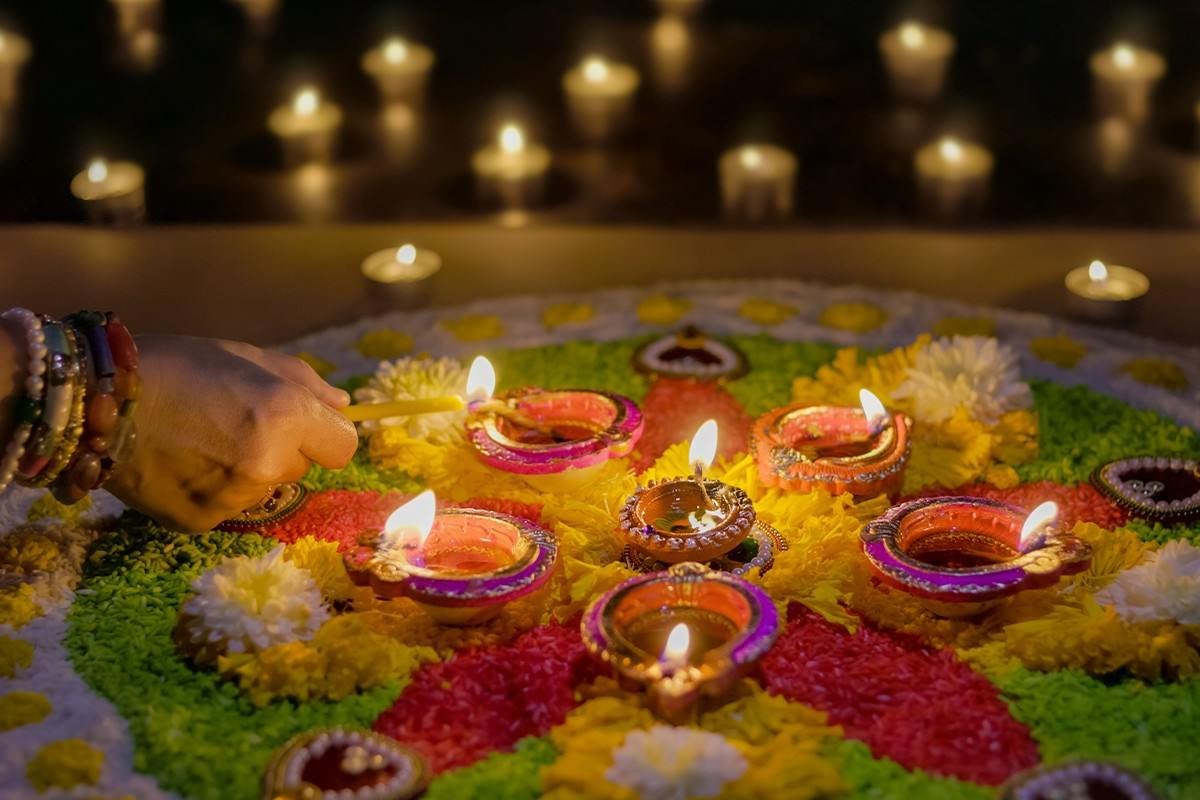
Diwali, the festival of lights, is one of the most spiritually significant occasions in the Hindu calendar. Families across India clean their homes, light diyas, and perform Lakshmi Puja in the hope of inviting wealth, prosperity, and positive energy into their lives. While the festival’s exact Gregorian date shifts every year because it follows the lunar Panchang, the puja vidhi itself — the method, the mantras, and the intention behind them — has remained largely unchanged for generations.
In this guide, we walk you through the traditional Diwali puja vidhi for wealth and prosperity, explain the concepts behind choosing an auspicious time, and share Vastu-based tips that many families believe help enhance the positive effects of the puja. As always, these are traditional beliefs passed down through generations of Vedic practice, not scientific guarantees — but for millions of households, following this vidhi with sincerity and devotion is considered an important part of welcoming abundance into the home.
Understanding the Spiritual Significance of Diwali Puja
Diwali marks the victory of light over darkness and, according to popular belief, the day Goddess Lakshmi, the deity of wealth and abundance, visits homes that are clean, well-lit, and filled with positive energy. Lord Ganesha is worshipped alongside her as the remover of obstacles, ensuring that the wealth which enters the home is put to good and lasting use. You can read more about the mythology and symbolism of Goddess Lakshmi to understand the deeper cultural roots of this celebration.
The puja is not merely a ritual performed for a few hours in the evening — traditionally, it is seen as the culmination of days of preparation, cleaning, and intention-setting. Many families in Punjab and across North India also perform a hawan or havan on this occasion to purify the home’s energy before the main puja begins. If you would like guidance on organising a proper hawan for your household, our team at Hawan and Pooja services can help you plan one according to traditional Vedic methods.
Preparing Your Home and Mind Before the Puja
Before any puja vidhi begins, preparation of the physical space is considered essential. Traditional belief holds that Goddess Lakshmi does not enter homes that are cluttered, dirty, or filled with unresolved negativity. This is why the days leading up to Diwali are traditionally used for deep cleaning, decluttering unused items, repairing broken fixtures, and repainting or whitewashing walls where possible.
Beyond physical cleanliness, many households also try to clear emotional and energetic clutter — resolving family disputes, letting go of old grudges, and setting a positive intention for the year ahead. If your home has been going through a phase of unexplained tension, financial stress, or repeated obstacles, it may be worth exploring whether some form of negative energy has settled in the space. Our remove negative energy guidance can be a useful starting point before you begin your Diwali preparations.
Rangoli and Diya Placement
A colourful rangoli at the entrance is considered an invitation for Goddess Lakshmi to step into the home, while rows of diyas lit around doors, windows, and balconies are believed to guide her path. The gentle flame of a diya is traditionally associated with dispelling darkness — both literal and symbolic — and is one of the most recognisable elements of the festival.
Auspicious Timing: Pradosh Kaal, Amavasya and Sthir Lagna
One of the most commonly asked questions about Diwali puja vidhi concerns timing. Traditional Vedic astrology places great importance on performing the Lakshmi Puja during specific planetary and lunar windows believed to amplify its benefits.
- Amavasya (new moon): Diwali always falls on the Amavasya tithi, considered a powerful time for new beginnings and for inviting positive forces into darkness.
- Pradosh Kaal: This is the twilight period shortly after sunset, traditionally regarded as one of the most favourable windows for worshipping Lakshmi and Ganesha.
- Sthir Lagna: A “fixed” ascendant period (such as Vrishabha or Simha Lagna) is often preferred for the main puja, as it is believed to help the wealth and prosperity invoked during the puja stay stable in the household rather than being fleeting.
Because Diwali’s date shifts every year on the Gregorian calendar, and because the exact timings of Pradosh Kaal and Sthir Lagna vary by location and year, we strongly recommend checking the current year’s Panchang or consulting a qualified astrologer for the precise muhurat applicable to your city. Astrologer Raj Bengali at Bengali Jyotish Center can calculate the exact auspicious window for your specific birth details and location if you want a truly personalised puja timing.
Items Needed for Lakshmi Ganesh Puja (Puja Samagri)
While regional variations exist, most households gather the following items before beginning the puja:
- Idols or images of Goddess Lakshmi and Lord Ganesha
- A red or yellow cloth for the puja altar
- Kalash (a small pot filled with water, topped with mango leaves and a coconut)
- Diyas and cotton wicks, along with pure ghee or oil
- Incense sticks (agarbatti) and camphor
- Fresh flowers, garlands, and rice (akshat)
- Sweets (mithai) and dry fruits as offerings (naivedya)
- Coins, currency notes, and account books (khata) for business owners
- Roli, chandan, and turmeric for tilak
- A small bell (ghanti) and a plate (thali) for aarti
Step-by-Step Diwali Puja Vidhi
1. Cleaning and Purifying the Space
Begin by cleaning the puja area thoroughly, sprinkling a few drops of Gangajal (holy water) if available, and lighting a diya to mark the beginning of the ritual.
2. Kalash Sthapana
Place the Kalash at the centre of the altar, fill it with clean water, add a few grains of rice, a coin, and betel leaves, then top it with mango leaves and a coconut wrapped in red cloth.
3. Installing the Idols
Place the idols or pictures of Lakshmi and Ganesha on a raised platform covered with a red or yellow cloth, ideally facing east or north — directions traditionally considered favourable for wealth and positivity in Vastu Shastra.
4. Invocation and Offerings
Light the main diya and incense, offer flowers, rice, and sweets to the deities, and recite invocation mantras. Many families chant the “Om Shreem Mahalakshmiyei Namah” mantra repeatedly during this stage.
5. Aarti and Distribution of Prasad
Conclude the puja with the Lakshmi-Ganesh aarti, ringing the bell, and circling the lit lamp before the deities. The prasad is then distributed among family members as a symbol of shared blessings.
Vastu Tips to Enhance the Effects of Diwali Puja
Many practitioners believe that combining the puja vidhi with basic Vastu principles can help the positive energy generated during Diwali settle more comfortably into the home. A few commonly followed tips include keeping the north-east corner of the home free from clutter, ensuring the main entrance is well-lit throughout the festival, and avoiding broken mirrors, clocks, or furniture near the puja room. If you’d like a deeper understanding of how your home’s layout may be affecting the flow of prosperity, our spiritual solutions services cover home energy assessments alongside traditional remedies.
Common Mistakes to Avoid During Diwali Puja
Even well-intentioned households sometimes make small errors that are traditionally believed to reduce the puja’s effectiveness — performing the puja in a cluttered or dirty space, using stale or wilted flowers, forgetting to worship Ganesha before Lakshmi, or rushing through the aarti without focus. None of these “mistakes” are considered catastrophic, but taking a little extra care is thought to make the ritual more meaningful and complete.
Beyond the Puja: Sustaining Prosperity Through the Year
Diwali puja is often seen as a starting point rather than a one-time fix. Many families choose to pair their Diwali rituals with ongoing remedies for financial stability, especially if they have been facing persistent money worries, business setbacks, or unexplained expenses throughout the year. If this sounds familiar, it may help to explore a dedicated money problem solution consultation, where your specific horoscope and circumstances can be examined in detail rather than relying on general remedies alone.
It’s worth remembering that Diwali puja vidhi, like all Vedic rituals, is rooted in tradition, faith, and intention. It is not presented here as a guaranteed formula for instant wealth, but as a time-honoured practice that many devotees find grounding, hopeful, and spiritually enriching as they enter a new year.
If you would like personalised guidance on the exact puja timing for your city, help organising a Lakshmi-Ganesh hawan at home, or a broader astrological reading to understand what this festive season holds for your finances and family, Astrologer Raj Bengali at Bengali Jyotish Center in Amritsar is available for consultation. You can call or WhatsApp us at +91-9779264257 to book your session.
Frequently Asked Questions
What is the best time to perform Diwali Lakshmi Puja?
Traditionally, Pradosh Kaal (the period shortly after sunset) combined with a Sthir Lagna is considered favourable. Since exact timings change every year and vary by city, it is best to check the current year’s Panchang or consult an astrologer for the precise muhurat.
Do I need to worship Ganesha along with Lakshmi during Diwali puja?
Yes, according to tradition, Lord Ganesha is worshipped first as he is believed to remove obstacles, ensuring that the wealth and prosperity invoked through Lakshmi Puja are used wisely and stay stable in the household.
Can I perform Diwali puja vidhi at a new or rented home?
Yes, the puja vidhi can be performed at any home, rented or owned. Many people additionally choose to perform a small hawan or purification ritual when settling into a new space to help clear any lingering negative energy.
Is it necessary to have all the traditional puja items listed?
While a complete set of items is ideal, the sincerity and devotion behind the puja are considered more important than having every single item. Focus on the core elements — idols, diya, flowers, and offerings — and perform the ritual with a calm, focused mind.
What should I do if my family has faced repeated financial struggles despite performing Diwali puja every year?
Persistent financial difficulties despite regular rituals may be worth examining through a detailed astrological consultation, which can look at your horoscope, planetary periods, and home energy together rather than relying on the annual puja alone.