The day after Lohri’s bonfires die down, Punjab moves into Maghi, while most of the rest of India observes the same astronomical event under its more widely known name: Makar Sankranti. Both mark the same underlying event — the sun’s entry into Makar Rashi (Capricorn) — but the regional traditions around it differ, and the astrological reasoning behind why this particular transition is treated as such a significant turning point is worth understanding on its own.
What Actually Happens Astronomically and Astrologically
Makar Sankranti marks the sun’s transition into the sidereal sign of Makar Rashi, which in the Vedic calendar also marks the start of Uttarayan — the sun’s gradual northward journey. This is one of the few major Hindu festivals tied to the solar calendar rather than the lunar Panchang, which is why, like Lohri and Baisakhi, it falls on a consistent Gregorian date, typically January 14th or 15th, rather than shifting each year. We cover the related solar transition that happens roughly three months later, at the start of the Vedic solar new year, in Baisakhi: the astrological and spiritual significance of Punjab’s harvest festival.
Why Uttarayan Is Considered So Significant
In Vedic tradition, the six months of Uttarayan (the sun’s northward journey) are traditionally considered more auspicious than the preceding Dakshinayan (southward) period, associated with increasing light, positive energy, and favourable conditions for important undertakings, religious observances, and new beginnings. This is one of the reasons Makar Sankranti is treated as such a significant turning point across so many regional traditions, even though the specific customs — Maghi in Punjab, Pongal in Tamil Nadu, Magh Bihu in Assam — differ considerably.
Maghi in Punjab: Specific Traditions
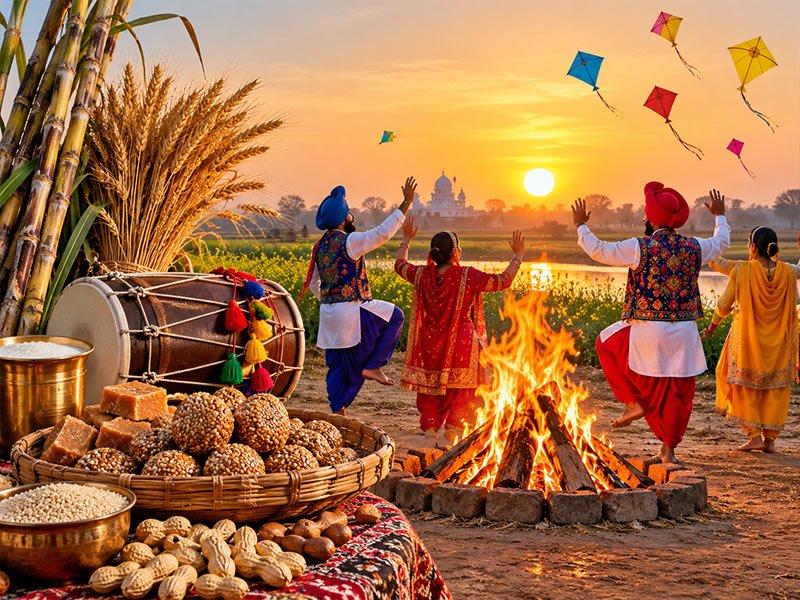
In Punjab, Maghi is observed with a holy dip in sacred rivers or tanks where possible, charity (daan) — particularly of khichdi, til, and warm clothing to those in need — and continued festivity following Lohri’s bonfire the night before. Maghi Mela at Muktsar, commemorating a significant historical battle in Sikh history, is one of the larger organised gatherings associated with this specific date in the Punjab region.
Why This Transition Matters for Personal Timing
Because Uttarayan is traditionally considered a more favourable half of the year, some families specifically wait for this transition before beginning important new ventures, religious ceremonies, or major life decisions that were being held off during the preceding months. This is similar in principle to how other muhurat windows are chosen through the year, which we cover more broadly in our guide to choosing the best time to start a new business.
A Personal Reading Around This Transition
The sun changing signs affects every birth chart differently depending on where Makar Rashi falls relative to your own planetary placements. For some, this transition activates a particularly favourable period; for others, it may coincide with a more challenging phase that benefits from informed preparation rather than surprise. A personalised reading around this time can clarify which applies to your specific chart as the new solar half-year begins.
If you would like to understand what this year’s Uttarayan transition means specifically for you, or want guidance on timing a decision around this period, Astrologer Raj Bengali at Bengali Jyotish Center in Amritsar is available for consultation. Call or WhatsApp +91-9779264257 to book a session. For a broader look at the festival observed across India, see Makar Sankranti.
Frequently Asked Questions
What is the difference between Maghi and Makar Sankranti?
They mark the same astronomical event — the sun’s entry into Makar Rashi — but Maghi is the specific Punjabi name and set of regional traditions for the observance, while Makar Sankranti is the more widely used name across much of the rest of India.
Why is this considered such an important turning point astrologically?
It marks the start of Uttarayan, the sun’s six-month northward journey, which Vedic tradition considers a more auspicious half of the year than the preceding period, making it a favoured time for new beginnings and important undertakings.
Why does Makar Sankranti fall on a fixed date unlike most Hindu festivals?
It follows the solar calendar rather than the lunar Panchang used for most festivals, which is why it consistently falls around January 14th or 15th each year rather than shifting.
What is Maghi Mela at Muktsar?
It is a significant annual gathering in Punjab held on this date, commemorating an important historical battle in Sikh history, and is one of the larger organised observances associated with Maghi specifically in the region.
Does the sun’s shift into Makar Rashi affect everyone’s chart the same way?
No, its effect depends on how Makar Rashi relates to your own individual birth chart, which is why some people experience this transition as especially favourable while others may find it more challenging.