


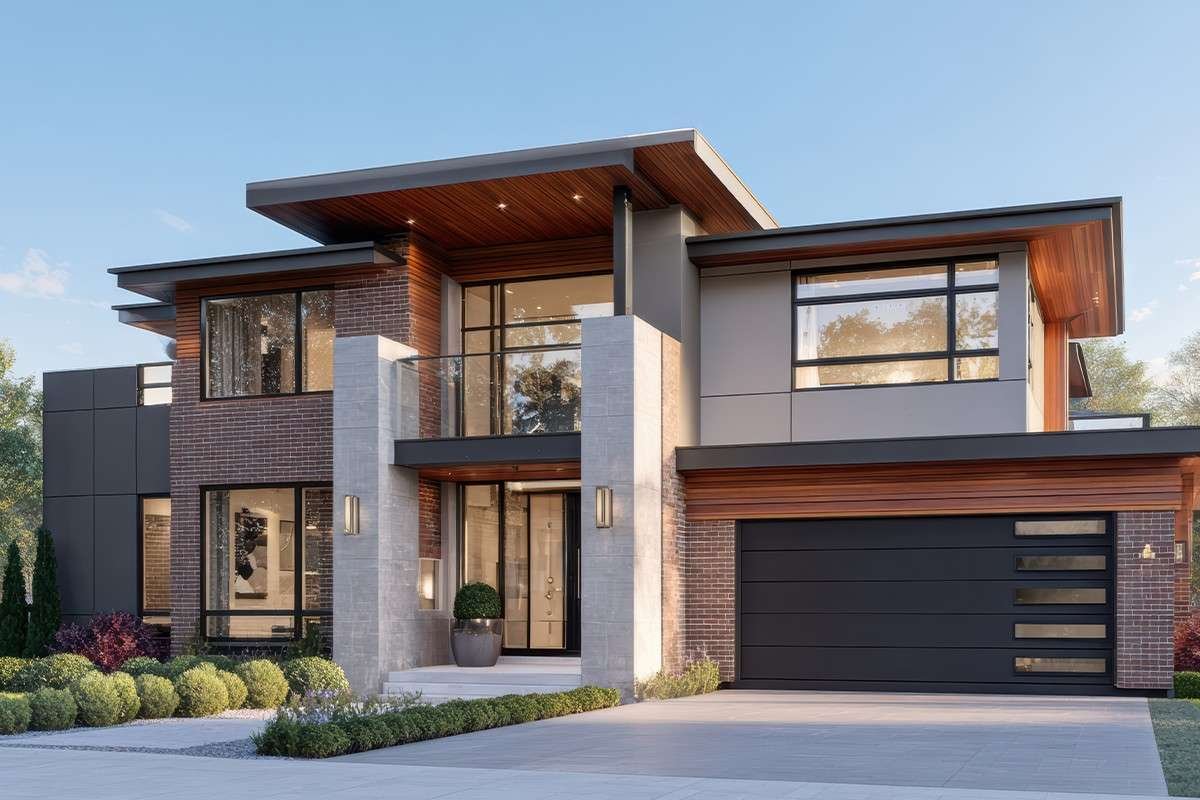
A home is meant to be more than four walls and a roof — it is meant to feel safe, calm, and nurturing. According to the ancient Indian science of Vastu Shastra, the way a home is designed, oriented, and arranged can influence the flow of energy within it, which in turn is traditionally believed to affect the peace, health, and prosperity of the people living there.
Whether you are building a new home, renovating an existing one, or simply trying to understand why your household seems to be going through a phase of stress and friction, these Vastu tips for a peaceful and prosperous home can offer a helpful traditional framework. As with all Vastu principles, these are guidelines rooted in centuries-old belief systems rather than scientifically proven laws, and they work best when combined with common sense, good maintenance, and — where needed — professional astrological guidance.
What Is Vastu Shastra, and Why Does It Matter?
Vastu Shastra is a traditional Indian system of architecture and design that draws on the five elements — earth, water, fire, air, and space — to guide how a structure should be built and arranged. You can read more about its origins and principles on Vastu Shastra’s Wikipedia page. The core belief is that when a home’s layout aligns harmoniously with these natural elements and cardinal directions, the residents tend to experience better health, stronger relationships, and steadier financial fortune.
It’s important to approach Vastu with a balanced mindset. Not every home can be perfectly aligned, and not every “flaw” leads to disaster. Many Vastu doshas (defects) can be corrected with simple remedies rather than expensive structural changes — and a qualified consultant can help you tell the difference between a serious imbalance and a minor one.
The Importance of Directions in Vastu
Vastu places significant emphasis on the eight cardinal and intercardinal directions, each of which is associated with a particular element, deity, and function:
- North-East (Ishan): Associated with water and spiritual energy; ideal for the puja room or meditation space.
- South-East (Agneya): Governed by fire; considered the best placement for the kitchen.
- South-West (Nairutya): Linked to earth and stability; traditionally recommended for the master bedroom.
- North-West (Vayavya): Associated with air and movement; suitable for guest rooms or storage.
- North: Linked to wealth and career growth (associated with Kubera, the deity of riches).
- East: Associated with the rising sun, new beginnings, and health.
Understanding these directional associations can help you plan which rooms go where, and can also explain why certain corners of your home may feel more “stuck” or heavy than others.
Room-by-Room Vastu Tips
Main Entrance
The main door is considered the primary channel through which energy enters a home. It should ideally be larger and more prominent than other doors, well-lit, clutter-free, and open smoothly without creaking. Broken doorbells, dim lighting, or shoes piled up at the entrance are traditionally believed to obstruct positive energy from entering.
Kitchen
The kitchen is associated with fire energy and nourishment. In Vastu, it is generally recommended that the cook faces east while cooking, and that the stove is not placed directly opposite the sink, as fire and water elements are considered opposing forces that should not directly clash.
Living Room
The living room, where family and guests gather, should ideally be in the north, east, or north-east part of the home. Heavy furniture is best placed along the south or west walls, leaving the north-east lighter and more open to allow energy to circulate freely.
Bedroom
Bedrooms carry their own detailed set of Vastu guidelines, particularly around bed placement and its impact on relationships and sleep quality. We’ve covered this in depth in our dedicated guide on Vastu for bedroom placement for couples seeking marital harmony.
Puja Room
The north-east corner is considered the most sacred zone of the home and is traditionally reserved for the puja or meditation room. Idols should face east or west, and the space should be kept clean and free of storage clutter.
Common Signs of a Vastu Imbalance
While every household experiences occasional stress, Vastu practitioners often point to certain recurring patterns as signs that the home’s energy may need attention:
- Frequent, unexplained arguments among family members
- Persistent financial difficulties despite steady income
- Chronic health issues that don’t respond well to treatment
- A general sense of heaviness, restlessness, or bad luck in the household
- Difficulty retaining money, tenants, or business opportunities
If several of these patterns sound familiar, it may be worth exploring whether some form of negative energy has accumulated in your home over time, rather than assuming the issue is purely structural. Our remove negative energy service is designed to identify and address these deeper energetic imbalances alongside standard Vastu corrections.
Simple Vastu Remedies You Can Try at Home
Not every Vastu correction requires demolition or major renovation. Many traditional remedies are simple and low-cost:
- Placing a small mirror on the south or west wall to symbolically “expand” the space
- Using specific colours (light yellow, cream, or light green) in rooms associated with harmony and growth
- Keeping the north-east corner of each room light, open, and clutter-free
- Placing a Tulsi (holy basil) plant near the entrance or in the north-east garden area
- Ensuring adequate natural light and ventilation throughout the home
- Using a Vastu pyramid or copper item in the centre of the home (Brahmasthan) to help balance energy
When Vastu Alone Isn’t Enough
There are times when a family follows every Vastu guideline diligently and yet continues to face repeated setbacks — in health, finances, relationships, or business. In such cases, it is worth considering that the difficulties may stem from planetary influences, karmic patterns, or even external negative energy rather than the home’s layout alone. A combined approach — addressing both the physical space and the astrological or spiritual dimension — often proves more effective than either approach in isolation.
If your family has been dealing with ongoing tension or a string of misfortunes despite a well-arranged home, our family problem solution consultation looks at both the astrological chart and the home environment together to offer a more complete picture.
Building or Renovating? Plan Vastu from the Start
If you are in the planning stage of building a new home, this is the ideal time to incorporate Vastu principles, since structural changes are far easier and cheaper before construction than after. Even simple decisions — the direction the main gate faces, where the staircase is placed, or which corner holds the water tank — can make a meaningful difference according to traditional belief, without adding significant cost to your project.
A Balanced, Honest Perspective
It is worth being upfront: Vastu Shastra is a belief system rooted in tradition and symbolism, not a scientifically validated discipline, and no consultant can honestly promise guaranteed prosperity or problem-free living purely from rearranging furniture. What Vastu can offer is a thoughtful, time-tested framework for creating a home that feels balanced, organised, and conducive to positive daily living — which, combined with sincere effort in other areas of life, many families find genuinely helpful.
If you would like a personalised Vastu assessment of your home, or want to understand which corrections are truly necessary for your specific property, Astrologer Raj Bengali at Bengali Jyotish Center in Amritsar offers detailed home consultations. Call or WhatsApp us at +91-9779264257 to discuss your home’s layout and get practical, honest guidance.
Frequently Asked Questions
Can Vastu tips really bring peace and prosperity to a home?
Vastu is a traditional belief system, and many families report feeling more settled and organised after applying its principles. It should be seen as a supportive practice alongside effort, planning, and good relationships, not a guaranteed cure for all problems.
What is the most important Vastu tip for a new home?
The direction and condition of the main entrance is often considered the single most important factor, since it is believed to be the primary channel through which energy enters the home.
Can Vastu defects in an old home be corrected without demolition?
In most cases, yes. Many Vastu doshas can be addressed through remedies such as colour changes, mirror placement, decluttering, and specific items like pyramids or copper vessels, without needing structural changes.
How do I know if my home has a Vastu problem or something else entirely?
Persistent issues despite good Vastu compliance may point toward astrological or energetic factors rather than layout alone. A combined astrological and Vastu consultation can help identify the actual root cause.
Is it necessary to hire a professional for a Vastu consultation?
While basic tips can be applied on your own, a professional consultation is recommended for a thorough assessment, especially if your household is facing recurring financial, health, or relationship difficulties.